Summer is road trip season. Whether you’re heading to the beach, visiting family in the suburbs, or taking a cross-country vacation, chances are you’ll spend more time behind the wheel during the warmer months.
Before you load up the car and hit the highway, it’s worth it to take a few minutes to check your tires. Tires are the only part of your vehicle that actually touches the road, and their condition plays a major role in handling, braking, and overall safety. Hot weather can also put additional stress on tires, especially during long drives at highway speeds.
The good news is that a basic tire inspection doesn’t take long. A quick check before your trip can help you spot potential problems before they leave you stranded on the side of the road.
Check Your Tire Pressure
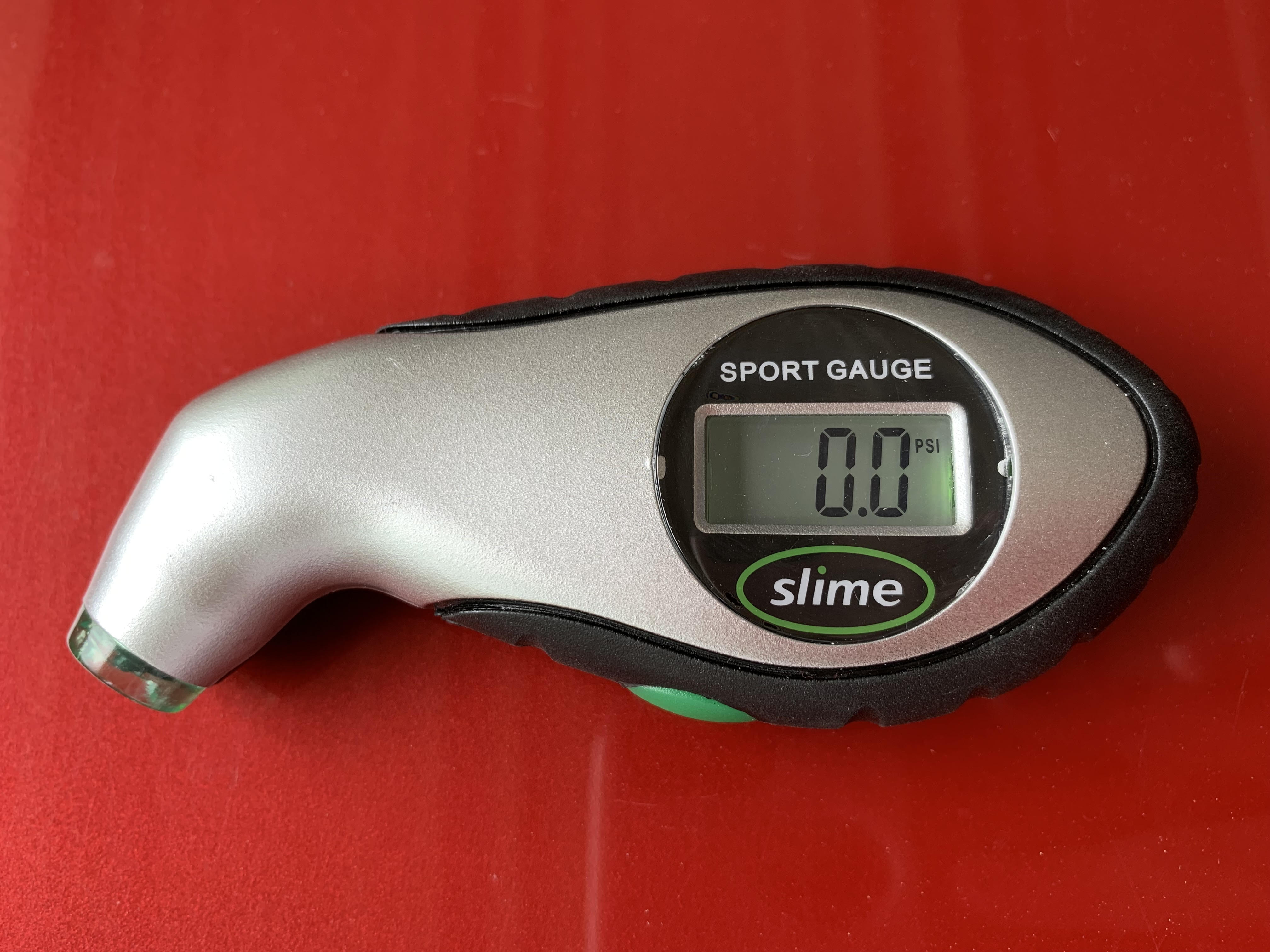
One of the easiest and most important things you can do is check your tire pressure. As temperatures rise, the air inside your tires expands. While a slight increase in pressure during hot weather is normal and typically safe, tires that are significantly overinflated or underinflated can create problems. Underinflated tires generate more heat and wear out faster, while overinflated tires can reduce traction and lead to uneven wear.
Don’t rely on a visual inspection or your vehicle’s internal monitors alone. Instead, use a tire pressure gauge and compare the reading to the recommended pressure listed on the sticker inside your driver’s door or in your vehicle owner’s manual. Check your tires when they’re cold, like first thing in the morning, for the most accurate reading.
Look at the Tread Depth
Tread helps your tires grip the road and channel water away from the contact surface. As tread wears down, your tires become less effective, especially during summer thunderstorms and wet-road conditions.
One simple way to check tread depth is with the penny test. Insert a penny into the tread groove with Lincoln’s head facing downward. If you can see the top of his head, your tread is likely too worn and it’s time to consider replacing the tire. You can also look for tread wear indicators, which are raised bars built into the tire grooves. When the tread becomes level with those bars, the tire has reached its wear limit.
Checking tread depth only takes a minute, but it can make a significant difference in your vehicle’s ability to maintain traction.
Inspect Tires for Visible Damage
While you’re checking tread depth, take a close look at the overall condition of each tire.
Look out for:
- Cracks in the sidewall
- Bulges or bubbles
- Cuts or punctures
- Embedded objects, such as nails or screws
- Uneven tread wear
Any of these issues could indicate a tire that needs professional attention before a long trip.
Pay Attention to Tire Rotation
Tires don’t always wear at the same rate. Front tires often experience different wear patterns than rear tires because of steering, braking, and vehicle weight distribution. Regular tire rotations help distribute wear more evenly, which can extend tire life and improve overall performance.
If you can’t remember the last time your tires were rotated, check your maintenance records or consult your owner’s manual. Many manufacturers recommend rotating tires every 5,000 to 8,000 miles, though recommendations vary by vehicle. A long summer trip can add hundreds or even thousands of miles to your odometer, making it a good time to make sure your tire maintenance is up to date.
Don’t Forget the Spare Tire
Many drivers remember to inspect their four main tires but completely overlook the spare. If your vehicle has a full-size or compact spare tire, check its pressure and condition before your trip. A spare tire won’t be very helpful if it’s flat when you need it.
You should also make sure that your jack, lug wrench, and other tools are present and in working condition. This quick check can provide valuable peace of mind when traveling far from home.
Why Tire Checks Matter Before Summer Travel
Long highway drives create heat, and heat is one of a tire’s biggest challenges. Add heavy luggage, passengers, and extended driving time, and your tires may be working harder than they do during everyday commuting. A pre-trip tire inspection can help you identify worn tread, improper inflation, or damage before those issues become bigger problems. It can also improve fuel efficiency, vehicle handling, and overall driving comfort.
Most importantly, checking your tires helps reduce the risk of a breakdown that could disrupt your vacation plans. So check your tires and have a great summer!
Interested in learning more about traffic safety?
Are you looking for defensive driving and traffic school courses? Do you want a discount on your auto insurance? Do you know a teen who’s ready to take an online driver education course?
Safe2Drive is here to help! We offer convenient online courses for drivers of any age! Visit our website today to learn about the online courses we offer in your state.