Summer is one of the busiest times of year for towing. Families load up campers for road trips, boat owners are headed to the lake, and utility trailers start showing up everywhere for moves, landscaping projects, and weekend plans. That’s why National Trailer Safety Week is a great reminder to slow down and review a few important trailer safety tips before hitting the road.
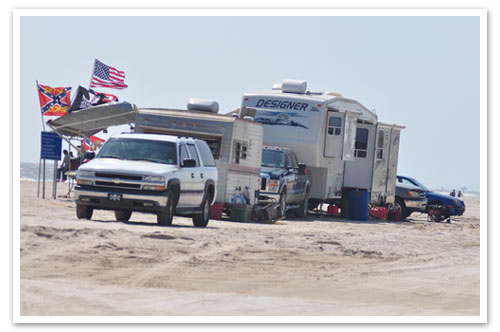
Towing changes the way your vehicle drives. You need more time to stop, more room to turn, and more awareness of what’s happening around you. Even drivers who tow regularly can run into problems if a trailer is overloaded, connected incorrectly, or not maintained properly. The good news is that a lot of these problems can be prevented with a little prep before your trip.
A Safe Trip Starts Before You Leave
One of the most important trailer safety tips is making sure your vehicle can safely handle the trailer you’re towing. Every vehicle has a towing capacity, and going over it can put too much strain on your brakes, tires, suspension, and engine.
Before you leave, check that:
- The hitch is secure.
- The coupler is locked into place.
- Safety chains are attached correctly.
- The electrical connection is plugged in.
- Trailer brakes work properly, if the trailer has them.
You should also make sure your mirrors give you a clear view around the trailer before you start driving. It only takes a few minutes to check everything, and it can help you avoid serious problems once you’re on the road.
Check Your Tires and Lights
Trailer tires tend to get overlooked, especially if the trailer has been sitting for a while. But tire problems are one of the biggest reasons trailers end up stranded on the side of the road during the summer.
Before towing, inspect the tires for:
- Low tire pressure
- Cracks or dry rot
- Uneven tread wear
- Bald spots or visible damage
Don’t forget to check the spare tire, too!
You should also test all of the trailer lights before every trip. Make sure the brake lights, turn signals, running lights, and hazard lights all work correctly. Other drivers need to be able to see what you’re doing, especially when you’re slowing down or changing lanes. A quick inspection can help you catch small issues before they turn into bigger ones later.
Load the Trailer Correctly
How you load a trailer has a huge effect on how it handles. An uneven or poorly balanced load can cause swaying, fishtailing, or loss of control at higher speeds.
Try to place heavier items low and toward the front of the trailer while keeping the weight balanced from side to side. Everything should also be secured so it doesn’t slide around while you’re driving. Too much weight in the rear of the trailer can make swaying much worse, especially on highways or in windy conditions.
Even if everything technically fits inside the trailer, that doesn’t automatically mean it’s loaded safely.
Leave More Space Between Vehicles
Driving with a trailer requires more patience than normal driving. You need extra room to stop, turn, merge, and react to traffic. One of the simplest trailer safety tips is increasing your following distance. The added weight behind your vehicle makes stopping take longer, especially at higher speeds.
When towing, remember to:
- Leave extra space between vehicles.
- Brake earlier than normal.
- Slow down before curves and exits.
- Give yourself more room for lane changes.
- Take turns wider than usual.
Driving a little slower can also help reduce trailer sway and give you more control over the vehicle. Giving yourself extra time to react makes towing much safer and a lot less stressful.
Stay Focused and Drive Defensively
Defensive driving matters anytime you’re behind the wheel, but it becomes even more important when you’re towing a trailer.
Drivers around you may not realize how much space you need or how long it takes you to stop. Stay alert for sudden lane changes, drivers cutting in front of you, heavy traffic, strong winds, and large trucks that create powerful air gusts as they pass. Try to keep your steering, braking, and acceleration smooth whenever possible. Sudden movements can make a trailer unstable.
If the trailer starts to sway, avoid slamming on the brakes. Instead, ease off the accelerator and keep the steering wheel steady until the trailer settles back down.
A Little Preparation Goes a Long Way
Whether you’re towing a camper for vacation, hauling a boat to the lake, or pulling a utility trailer for a project, preparation matters.
National Trailer Safety Week is a good reminder that towing safely takes more than simply hooking up a trailer and heading out. Checking your equipment, loading cargo carefully, leaving extra stopping distance, and driving defensively can help keep you and everyone around you safer on the road this summer.
Interested in learning more about traffic safety?
Are you looking for defensive driving and traffic school courses? Do you want a discount on your auto insurance? Do you know a teen who’s ready to take an online driver education course?
Safe2Drive is here to help! We offer convenient online courses for drivers of any age! Visit our website today to learn about the online courses we offer in your state.