Here in the Cleveland suburbs, the deer are abundant and unafraid. They will walk right up to you, and they cross the street whenever they please. One night last winter, I had to park on the street because deer were congregating in my driveway, blocking the garage. You learn to become vigilant and always assume there are deer around, and hopefully, you drive accordingly.
For those who aren’t surrounded by deer constantly, it can be quite startling to see one in the middle of the road, especially at night. Knowing what to do when a deer runs into the road can help you react quickly without making the situation more dangerous. Your first instinct might be to swerve, but that’s not always the safest response. In most situations, the safest approach is to brake firmly, keep control of your vehicle, and stay in your lane.
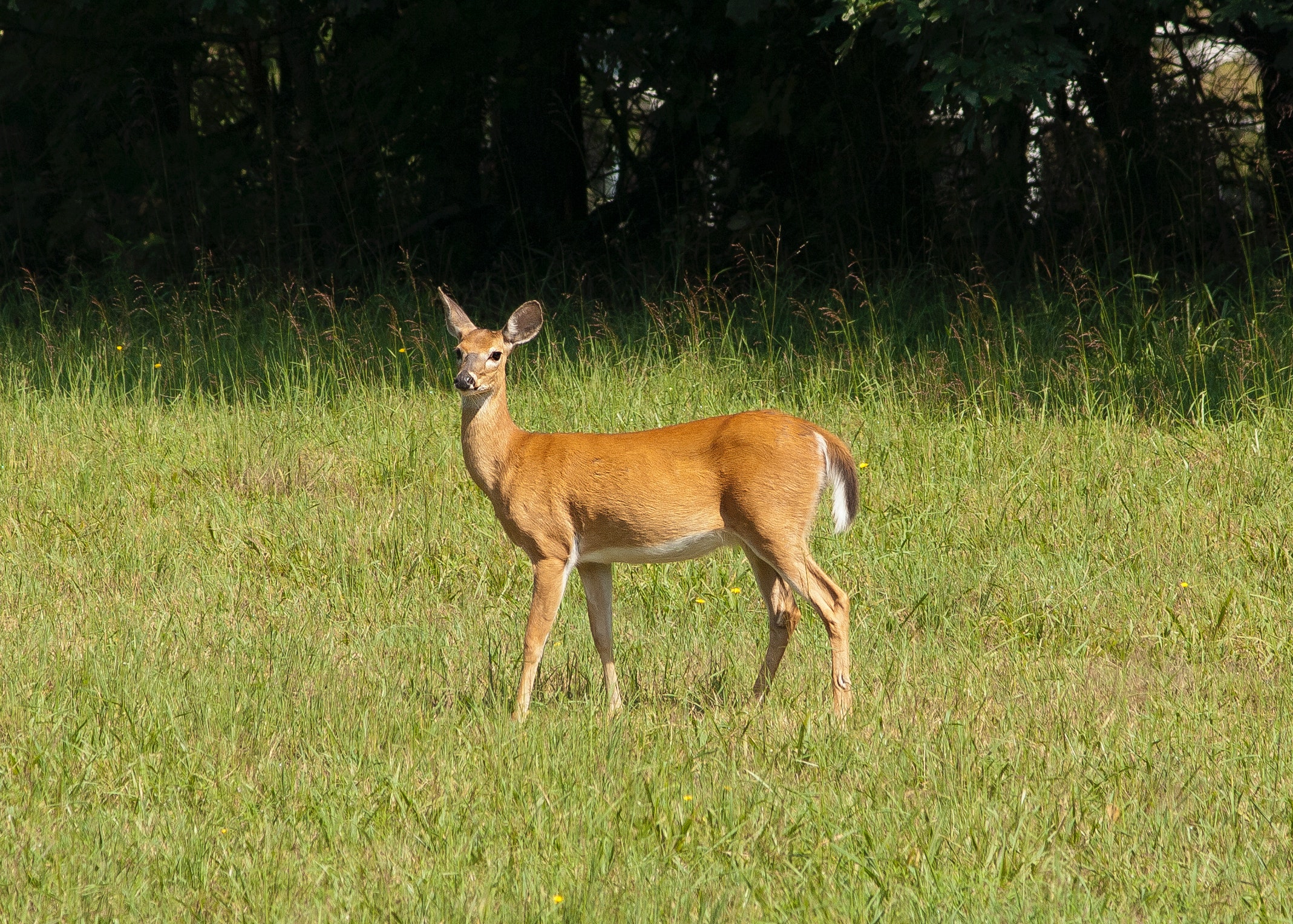
What should you do when a deer runs into the road?
When a deer suddenly enters your path, take your foot off the accelerator and brake firmly while keeping both hands on the steering wheel. Try to slow your vehicle as quickly as possible while maintaining control.
If you have enough time and space to stop safely, go ahead and do so. If you can’t avoid the deer completely, continue braking and keep your vehicle pointed in the direction you were already traveling. It can be tempting to jerk the steering wheel to avoid the deer, but doing so puts you in danger of running off the road or into other traffic.
Why shouldn’t you swerve to avoid a deer?
Swerving may take you out of the path of the deer, but it can also put you directly in the path of another hazard. On a two-lane road, for example, swerving left could put you into oncoming traffic. Swerving right could send your vehicle onto a shoulder, into a ditch, or into a tree.
A deer collision can cause serious damage, but losing control of your vehicle can create additional risks for you and other road users. Unless you can safely move around the deer without leaving your lane or losing control, your best option is generally to brake and stay in your lane, even if that means hitting the deer.
Don’t assume there’s only one deer.
If you see one deer, stay alert. Deer often travel in groups, so another deer is likely closely behind the first one. Once the first deer has crossed the road, don’t immediately speed back up. Keep your eyes on both sides of the roadway and be prepared to stop again. The second deer may appear only a few seconds after the first.
When are deer most likely to be on the road?
Deer can be active at any time, but there are definitely times when they’re more active. Drivers should be especially alert around dawn and dusk, when deer are often more active and visibility can be reduced.
Pay extra attention when driving through wooded areas or along roads bordered by fields, brush, or other places where deer may be nearby. Deer-crossing signs are also a good reminder to slow down and scan the roadway and shoulders.
Fall can be another particularly important time to watch for deer. During the breeding season, deer may move around more than usual, increasing the chance that they’ll cross roadways.
What should you do if you hit a deer?
Sometimes, even the most defensive driver can’t avoid a deer. If a collision happens, focus first on getting yourself and your passengers to a safe location. If your vehicle is still drivable, move it off the roadway when you can do so safely. Turn on your hazard lights to alert approaching drivers. If anyone is injured, call 911 for emergency assistance.
You should also contact the appropriate law enforcement agency and follow your state’s requirements for reporting a collision with an animal. Your insurance company may also need to be notified, especially if your vehicle has significant damage.
Don’t approach the deer, even if it appears to be dead or unable to move. An injured animal can be frightened and unpredictable. Instead, let law enforcement or the appropriate animal or wildlife authorities handle the situation.
How can you reduce your risk of a deer collision?
You can’t control when a deer decides to cross the road, but you can give yourself more time to react.
Slow down when you’re driving through areas where deer are common, especially around dawn and dusk. Pay attention to deer-crossing signs and scan the shoulders and edges of the road as you’re driving. If you see a deer near the roadway, reduce your speed and be prepared for it to move into your path.
A deer can appear in the roadway with very little warning. Knowing ahead of time that you should brake, maintain control, and avoid a dangerous swerve can make it easier to respond calmly when you actually need to do it.
Interested in learning more about traffic safety?
Are you looking for defensive driving and traffic school courses? Do you want a discount on your auto insurance? Do you know a teen who’s ready to take an online driver education course?
Safe2Drive is here to help! We offer convenient online courses for drivers of any age! Visit our website today to learn about the online courses we offer in your state.