The first time I felt my steering wheel start to move on its own, I was a little nervous. It just didn’t feel right. Now it’s my favorite party trick when I have new passengers in the car. "Look at this!" I say, and take my hands off the wheel. Then I immediately put my hands back on the wheel where they belong before my car can yell at me, flashing "STEERING REQUIRED" on my dashboard.
The lane keeping assist system in my Honda CRV is pretty cool, but it’s not really "hands-free. " It will help you keep in the center of your lane, but you still need to have your hands on the wheel and control over the car.
My favorite feature is the adaptive cruise control. Unlike standard cruise control that keeps your vehicle at a set speed, adaptive cruise control allows you to indicate how much following space you want between you and the vehicle in front of you, and will accelerate or slow down on its own. It feels futuristic. I recently took a two-hour trip on the highway and didn’t touch my pedals once.
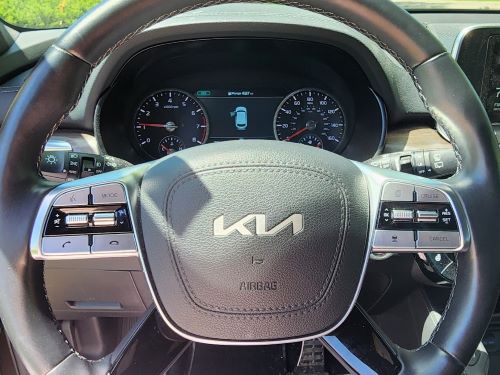
It’s easy to see how features like this start to blur the line between "driver assistance" and "self-driving." When your car can steer a little and handle your speed for hours on the highway, it doesn’t feel like you’re doing much. And that’s exactly why safety experts are paying close attention to how these systems are being used.
Recently, federal regulators opened an investigation into a popular hands-free highway driving system after several serious crashes occurred while the feature was engaged. According to reporting from The Wall Street Journal, investigators are looking at whether the system performed the way it was supposed to and whether drivers were paying attention the way they’re required to. That’s the big issue here. These systems are designed to assist you, not replace you, but the more comfortable and seamless they feel, the easier it is for drivers to mentally check out.
That’s really the heart of the concern. When something works smoothly most of the time, we start trusting it completely. You start answering a text at a red light. You glance at your navigation a little longer than you should. You relax because the car has been doing such a good job staying centered and keeping distance. The problem is that highway speeds don’t leave much room for error, and even a brief lapse in attention can have serious consequences.
Then there’s full self-driving technology. Companies like Waymo are working on vehicles that don’t require any human input at all. Their cars rely on lidar, radar, cameras, and super detailed mapping to navigate city streets safely. The goal is true autonomy, where no driver needs to monitor the road, but the rollout is cautious. Waymo only operates in specific, mapped areas, and their vehicles go through endless testing before carrying passengers. It’s impressive, but it also shows how careful engineers need to be before putting people in a completely hands-off vehicle.
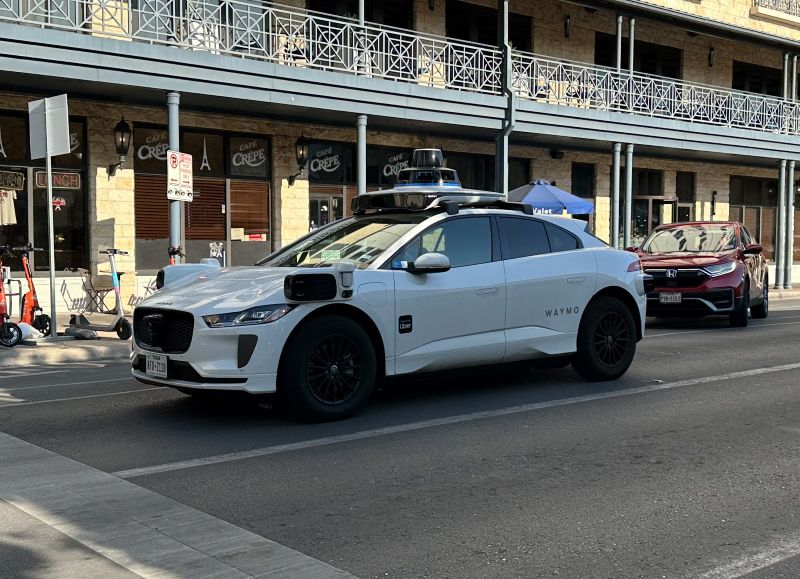
Even the best AI can’t predict everything, and that’s where cautionary tales come in. You might have heard about KitKat, the beloved bodega cat who was killed by a driverless Waymo vehicle. In the heartbreaking viral video, the Waymo drives off within seconds of striking her. It’s an awful reminder that these systems are only as good as the data they’re trained on, and unexpected scenarios can confuse them. It makes you wonder how safe these vehicles really are.
Hands-free and autonomous systems can make driving less stressful and help prevent fatigue, especially on long highway trips, but they aren’t a substitute for alert, engaged drivers. The safest way to use these features is to treat them like a helpful assistant. Keep your eyes on the road, stay mentally engaged, understand where the system works best, and be ready to take over immediately if something unexpected happens.
Technology is moving fast, and the cars of the future are going to be amazing. But right now, no feature can replace a responsible driver. If anything, these systems are a reminder that safe driving still depends on the person behind the wheel.
Tips for Using Hands-Free Features Safely
Even if your car can steer and adjust speed for you, it’s still your job to drive. Here are a few ways to make sure you’re staying safe while enjoying the tech:
- Keep your eyes on the road: It sounds obvious, but it’s easy to drift when the car is doing most of the work. Treat the system like an assistant, not a replacement.
- Stay mentally engaged: Avoid distractions like scrolling your phone or looking away from the road for long stretches. Even a few seconds can be the difference between going home or going to the hospital.
- Understand your system: Know exactly what your car can and can’t do. Lane keep assist works best on clear, marked highways. Adaptive cruise control won’t stop for every obstacle, so you still need to react quickly.
- Be ready to take over immediately: Keep your hands on the wheel and be prepared to intervene. The car might flash a warning, but don’t rely solely on that reminder.
These features are amazing for reducing fatigue on long trips, but they’re not an excuse to zone out. Think of them like co-pilots helping you stay safe.
Hands-free and self-driving technology is exciting, and it’s making driving easier and safer in many ways. But the bodega cat story and recent investigations are reminders that nothing replaces a fully alert driver. The better you understand the technology, the safer your trips will be, whether it’s a short commute or a long highway drive.
Interested in learning more about traffic safety?
Are you looking for defensive driving and traffic school courses? Do you want a discount on your auto insurance? Do you know a teen who’s ready to take an online driver education course?
Safe2Drive is here to help! We offer convenient online courses for drivers of any age! Visit our website today to learn about the online courses we offer in your state.