Spring break is supposed to be fun. No school, later nights, road trips with friends, and a little more freedom than usual. But it’s also a time when crash risk tends to increase, especially for teen drivers. When routines change, driving habits change, too. Teens may be on the road more often, driving unfamiliar routes, staying out later, or carrying more passengers than usual. All of those factors can increase the chances of a collision.
That’s why talking about spring break driving safety tips before spring break starts is so important. A little planning now can prevent a lot of stress later.
Why Spring Break Can Be Risky for Teen Drivers
Spring break creates the perfect mix of risk factors for new drivers. Schools are out, parents may still be working, and teens suddenly have more free time and flexibility. That often means more miles driven and less structure.
Late-night driving is one of the biggest concerns. Visibility is reduced at night, fatigue sets in more quickly, and impaired drivers are more likely to be on the road. According to the National Highway Traffic Safety Administration, nighttime driving significantly increases crash risk, particularly for younger drivers.
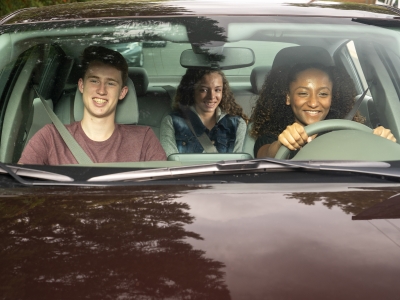
Passengers are another risk factor. Teens are already at higher risk simply because they’re inexperienced. Add multiple friends in the car, and distractions add up fast. Even conversations and laughter can pull attention away from the road longer than we realize.
Travel is also common during spring break. Whether it’s a beach trip, a sporting event, or just driving across town more often to see friends, unfamiliar roads can create additional challenges. Construction zones, heavy traffic, and aggressive drivers aren’t always easy to navigate when you’re still building confidence behind the wheel.
Spring Break Driving Safety Tips Families Can Use
Here are practical spring break driving safety tips families can put into place right away:
- Set clear driving boundaries. Talk about where your teen is allowed to go, who can be in the car, and what time they need to be home. Even responsible teens benefit from defined limits.
- Limit nighttime driving. If possible, encourage daytime plans. If your teen must drive at night, remind them to slow down, increase following distance, and stay extra alert.
- Keep passenger numbers low. The more people in the car, the higher the distraction level. Limiting passengers, especially for newer drivers, can significantly reduce risk.
- Plan routes ahead of time. If your teen is heading somewhere new, have them review the route before leaving. Knowing where they’re going reduces last-minute lane changes and sudden stops.
- Reinforce zero tolerance for impaired driving. Make it clear that driving under the influence, or riding with someone who is impaired, is never an option. Have a backup plan in place so your teen can call for a ride without fear of getting in trouble. Taking a few minutes to go over these expectations helps prevent misunderstandings later in the week.
A Quick Check-In Can Make a Big Difference
Spring break is also a good time to check the vehicle itself. Make sure tires are properly inflated, lights are working, and there aren’t any warning lights on the dashboard. If your teen will be driving longer distances, double-check that they know what to do in case of a flat tire or minor breakdown.
Most importantly, keep the conversation open. Teens are more likely to make smart decisions when they feel trusted and supported, not lectured. A calm, straightforward discussion about expectations goes much further than a long list of worst-case scenarios.
Spring break should be memorable for the right reasons. With a little planning and a few clear guidelines, families can reduce risk and help teen drivers enjoy their time off safely. If you’re looking for more ways to build safe driving habits, spring break is a great time to start.
Interested in learning more about traffic safety?
Are you looking for defensive driving and traffic school courses? Do you want a discount on your auto insurance? Do you know a teen who’s ready to take an online driver education course?
Safe2Drive is here to help! We offer convenient online courses for drivers of any age! Visit our website today to learn about the online courses we offer in your state.
Spring break is supposed to be fun. No school, later nights, road trips with friends, and a little more freedom than usual. But it’s also a time when crash risk tends to increase, especially for teen drivers. When routines change, driving habits change, too. Teens may be on the road more often, driving unfamiliar routes, staying out later, or carrying more passengers than usual. All of those factors can increase the chances of a collision.